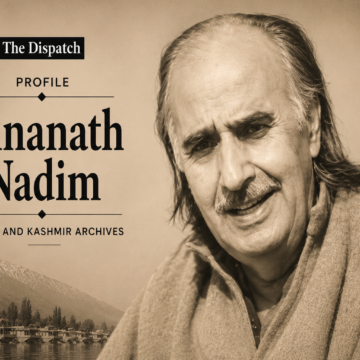
Poet of Modern Kashmir and Voice of Cultural Awakening

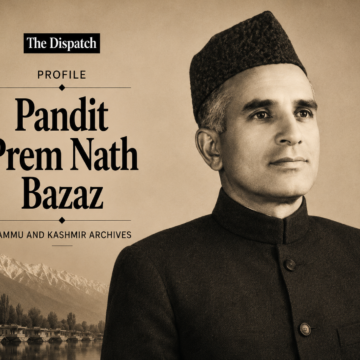
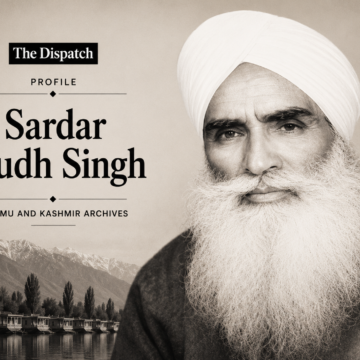
Early Political Activist, National Conference Leader, and Sikh Voice in Jammu and Kashmir
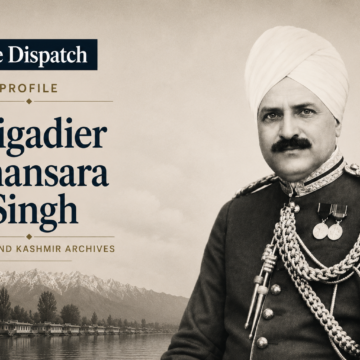
Last Governor of Gilgit, Soldier-Administrator, and Transitional Political Figure
By the 1940s, Jammu and Kashmir had developed two distinct yet interconnected political spheres. The Valley and the Jammu region shared concerns about representation, economic opportunity, and the future of the Dogra state, but their political cultures, organisational forms, and public priorities differed markedly. These differences were shaped by social composition, economic structure, historical experience,...
By the late 1930s, the political landscape of Jammu and Kashmir had begun to shift in ways that reflected both internal debates and the wider currents of the Indian freedom movement. The All Jammu and Kashmir Muslim Conference, founded in 1932, had become the principal platform for articulating the concerns of the Valley’s majority community....
The 1930s were a decade of gradual but noticeable transformation in Jammu and Kashmir. While politics dominated public memory, daily life in this period was shaped as much by economic pressures, the spread of education, modest administrative reforms, and a slowly widening cultural sphere. These developments formed the social foundation upon which the political movements...
The agitation of 1931 marked the first decisive break in the relationship between the Dogra state and its subjects. In response to the scale and seriousness of the unrest, Maharaja Hari Singh’s government recognised that administrative adjustments alone would not suffice. What followed was the appointment of the Commission of Inquiry, headed by Sir B....
By 1931, Jammu and Kashmir had entered a new and more complex phase of its modern history. The state that Maharaja Hari Singh governed was changing rapidly: education had expanded, the press had taken root, and the political climate of British India was reshaping expectations even in regions that had long remained outside organised politics....
When Maharaja Hari Singh ascended the throne in 1925, Jammu and Kashmir was a state at a moment of quiet transition. The long reign of Pratap Singh had given the Dogra kingdom stability and administrative structure, yet beneath that order the stirrings of a new social climate were becoming harder to ignore. The young Maharaja...